Mumbai to Jejuri Cab
Comfortable outstation cab with professional drivers • Transparent fares • Flat 15% OFF on one-way trips
Mumbai to Jejuri Cab — Quick Answer
The Mumbai to Jejuri cab route is approximately 215 km and takes around 4-5 hours via NH 48 / National Highway. One-way fares start from ₹14/km (Swift Dzire CNG); Ertiga, Innova and Innova Crysta are also available for families and groups. Miles Tours and Travels provides 24/7 doorstep pickup from anywhere in Mumbai, transparent fixed fares with no hidden charges, and a flat 15% off on one-way trips. Booking takes about 30 seconds online or by calling +91 88790 99744.
Overview
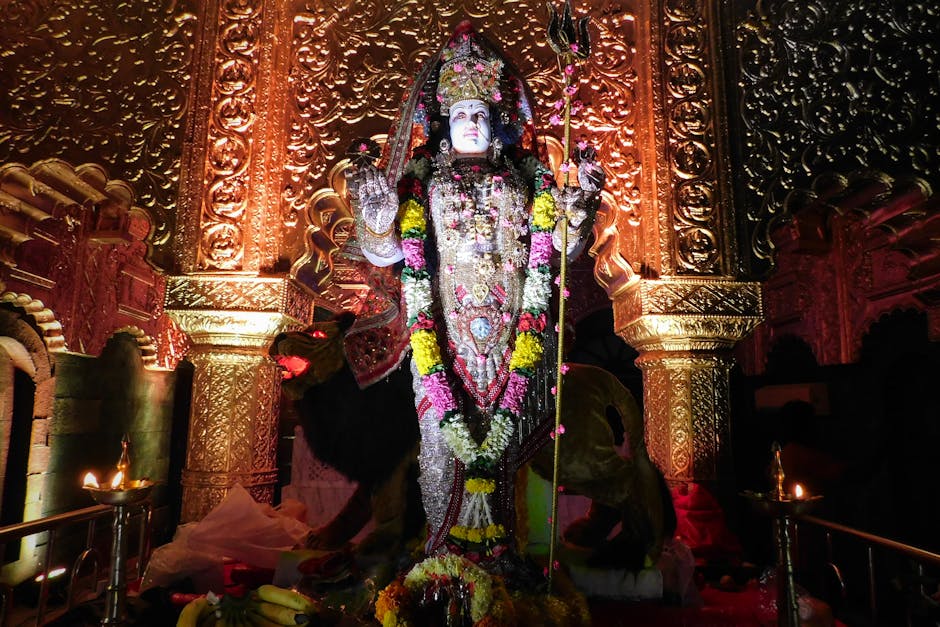
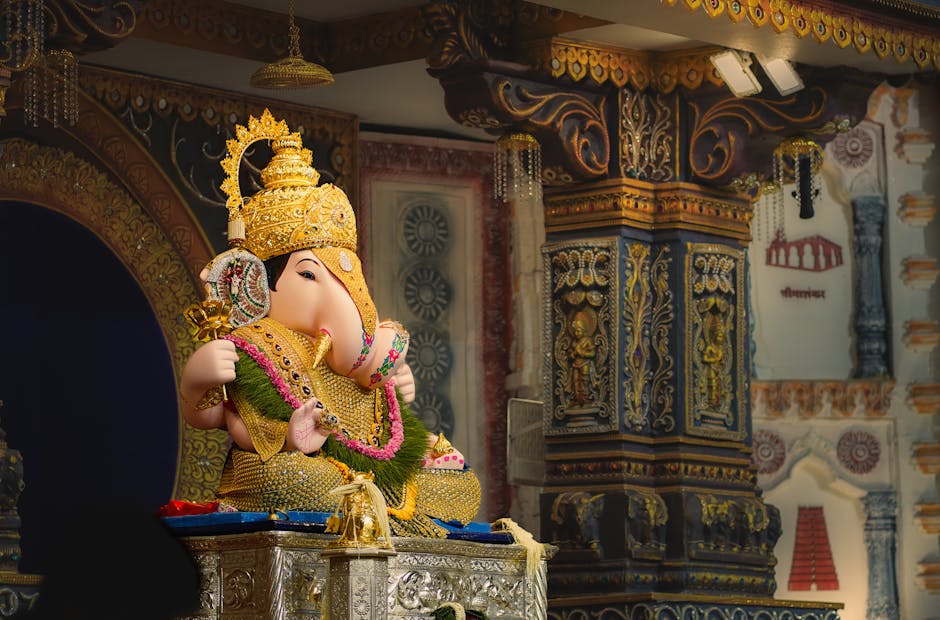
Jejuri is a temple town in Pune district, 200 km southeast of Mumbai, famous for the Khandoba Mandir on Karha hill — a 1608 hilltop shrine dedicated to Lord Khandoba (a manifestation of Shiva venerated as the family deity by warrior, agricultural and pastoral communities across western Maharashtra and northern Karnataka). Drive time from Mumbai is 4 to 4.5 hours via Mumbai-Pune Expressway → Pune ring road → NH 65 south to Jejuri turn-off. The hilltop temple is reached by a 350-step climb (or by 1.5 km switchback road for older devotees); the climb passes through the famous 'haldi storm' zone where devotees throw turmeric powder, coating the steps, statues and even other pilgrims in bright yellow. Marathi-language Wikipedia calls Jejuri 'Sonyacha Jejuri' ('the golden Jejuri') for this signature turmeric coating. Khandoba is one of Maharashtra's most widely-venerated kuldevtas (family deities), and the Jejuri temple sees 40,000+ pilgrims weekly, peaking on Margashirsh and Chaitra Shukla Paksha. The temple complex includes the Khandoba sanctum, the Balashankar shrine (Khandoba's wife Banai's temple), and the historic deepmala (lamp-tower) at the foot of the steps. Most Mumbai-Jejuri cab trips combine the visit with Saswad (the home of poet-saint Sopan Maharaj, 35 km north), Morgaon (one of the 8 Ashtavinayak Ganesh shrines, 30 km east), and Bhuleshwar (a 13th-century Yadava Shiva temple, 50 km east). Best season October-February.
NH 48 / National Highway MaharashtraHistory & Significance
Khandoba worship dates to at least the 9th century in the Deccan; the current Jejuri temple was substantially built and patronised by the Peshwa Bajirao I in the early 18th century. The festival of Champashashthi, held six days after Diwali, is one of Maharashtra's most visually spectacular folk celebrations, drawing hundreds of thousands of Dhangar shepherd pilgrims who sleep on the hillside through the night.
Cab Fare & Travel Time
Cab Fare — Mumbai to Jejuri
| Car Type | Seats | One-Way (15% off) | Round Trip |
|---|---|---|---|
| CNG Swift Dzire | 4 traveller + 1 driver | ₹5,150 Flat 15% OFF | ₹6,050 |
| CNG Ertiga | 4 traveller + 1 driver | ₹6,250 Flat 15% OFF | ₹7,350 |
| Innova | 6 traveller + 1 driver | ₹6,250 Flat 15% OFF | ₹7,350 |
| Innova Crysta | 6 traveller + 1 driver | ₹7,350 Flat 15% OFF | ₹8,600 |
| Innova Hycross | 6 traveller + 1 driver | ₹11,700 Flat 15% OFF | ₹13,800 |
Estimated for 215 km. Toll, parking & driver allowance extra. Call for exact quote.
Additional Charges (Indicative)
⚠️ Toll & permit figures are indicative. Actual charges depend on route, vehicle type, and government rates at time of travel. Paid directly at toll plazas / checkposts.
Route Highlights
- 200 km via Mumbai-Pune Expressway + NH 65 — 4-4.5 hours
- Khandoba Mandir on Karha hill (1608) — the 'Sonyacha Jejuri'
- 350-step climb, with turmeric-throwing tradition coating the entire path golden
- Khandoba is the kuldevta (family deity) for major Maharashtra-Karnataka warrior castes
- Combine with Morgaon Ashtavinayak Ganpati (30 km) and Bhuleshwar Yadava temple
- 40,000+ pilgrims weekly; peak Margashirsh (December) and Chaitra (April)
Places to Visit in Jejuri
Khandoba Mandir
A 1608 hilltop Khandoba shrine on Karha hill, with the famous 350-step climb. The sanctum has the Khandoba idol on horseback alongside his wives Mhalsa and Banai. Stand-out: the turmeric (bhandara) is thrown by devotees on every step of the climb, giving the path the famous golden coat.
Balashankar Shrine
A smaller Banai (Khandoba's second wife) temple within the main complex. Banai was a Dhangar (shepherd) woman; her shrine is the spiritual seat of the Dhangar community. Located 200 m south of the main Khandoba sanctum.
Karha River Ghat
The river ghats at the foot of Karha hill, where pilgrims take a ritual bath before the temple climb. The Maharaja Shivaji-built Pushkarini tank (1670) is still in use. Several small ancillary shrines along the ghat.
Morgaon Ashtavinayak
One of the 8 'Ashtavinayak' Ganesh shrines of Maharashtra (the senior-most by tradition), 30 km east of Jejuri. The Mayureshwar Mandir is a 1300 CE shrine with a Nandi facing the Ganpati (only Ganesh temple in India where this occurs). Easily combined as a half-day add-on.
Bhuleshwar Temple
A 13th-century Yadava-era Shiva temple on a hilltop 50 km east of Jejuri, with intricate stone carving rivalling Khajuraho. Lesser-known and uncrowded; a 90-minute drive but well worth the detour for art-and-architecture cab passengers.
Frequently Asked Questions
Book This Route
24/7 availability
4.9★ rated • Trusted since 2011
Ready to Travel Mumbai → Jejuri?
Book now • No hidden charges • 24/7 support • Trusted since 2011

Popular Mumbai Pickup Locations
Miles Tours and Travels picks you up from anywhere in Mumbai — railway stations, airports, hotels, offices, and tourist spots.