Mumbai to Aurangabad Cab
Comfortable outstation cab with professional drivers • Transparent fares • Flat 15% OFF on one-way trips
Mumbai to Aurangabad Cab — Quick Answer
The Mumbai to Aurangabad cab route is approximately 335 km and takes around ~6 hours via NH 60 via Nashik. One-way fares start from ₹14/km (Swift Dzire CNG); Ertiga, Innova and Innova Crysta are also available for families and groups. Miles Tours and Travels provides 24/7 doorstep pickup from anywhere in Mumbai, transparent fixed fares with no hidden charges, and a flat 15% off on one-way trips. Booking takes about 30 seconds online or by calling +91 88790 99744.
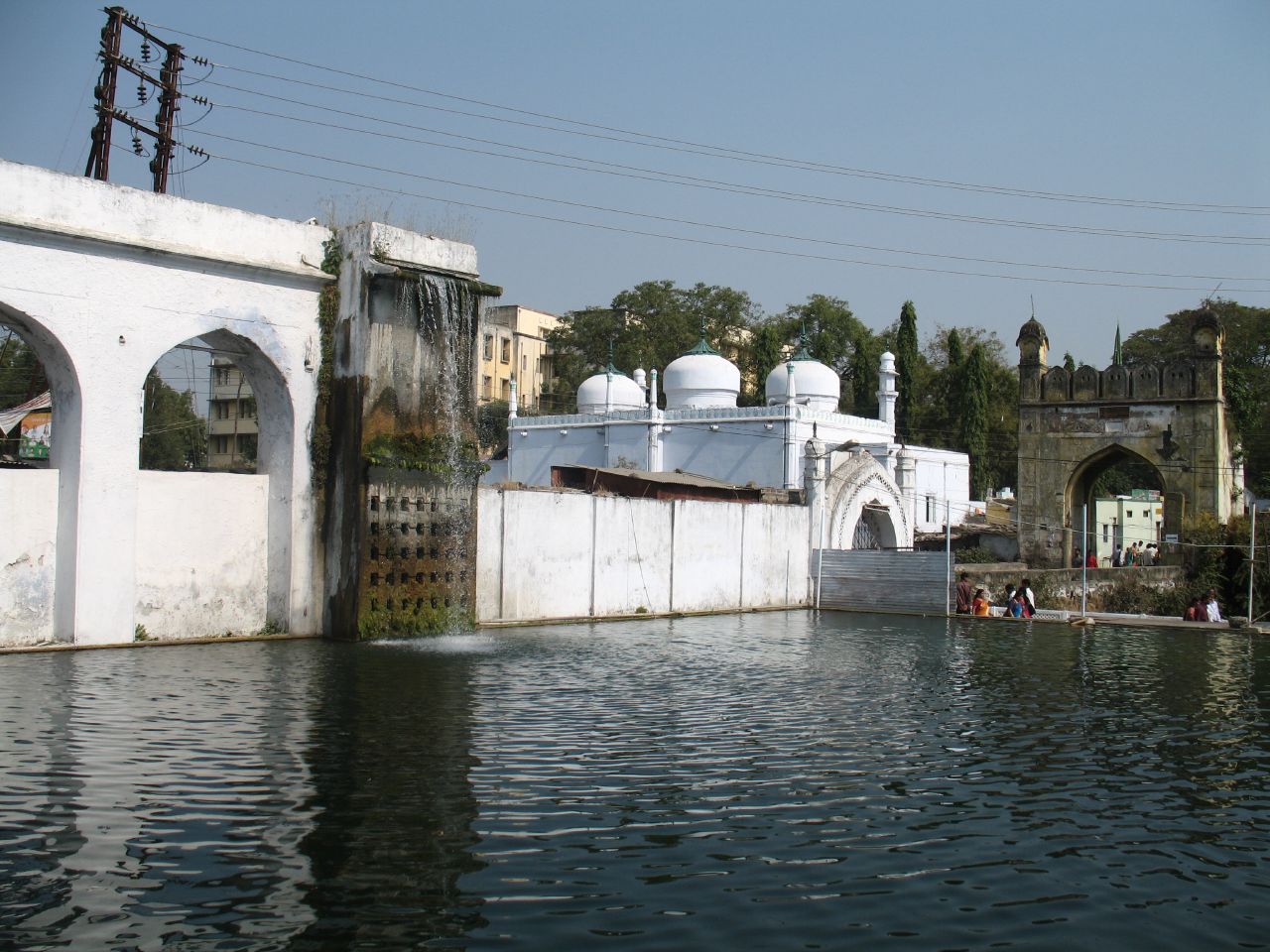
Overview
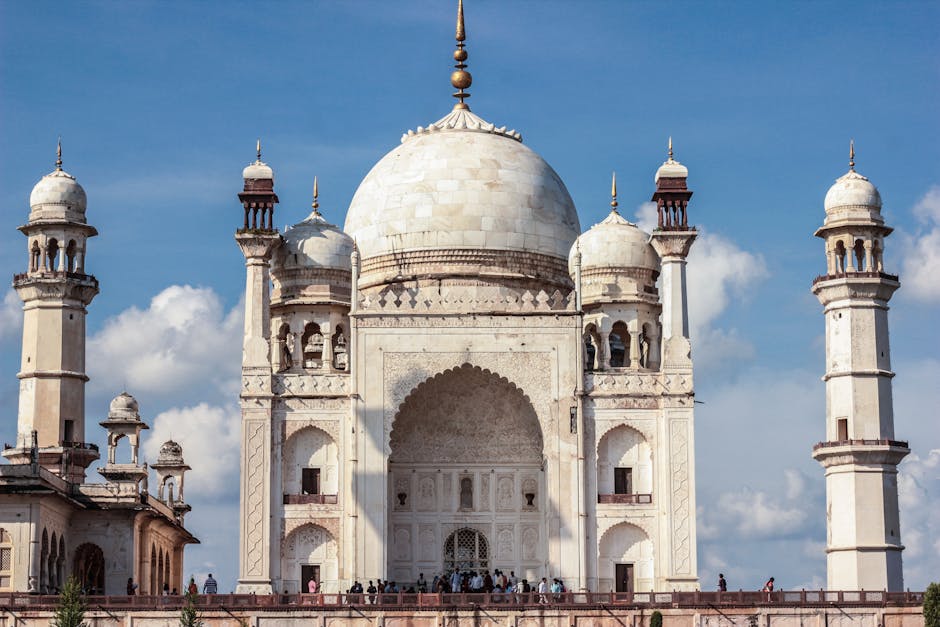
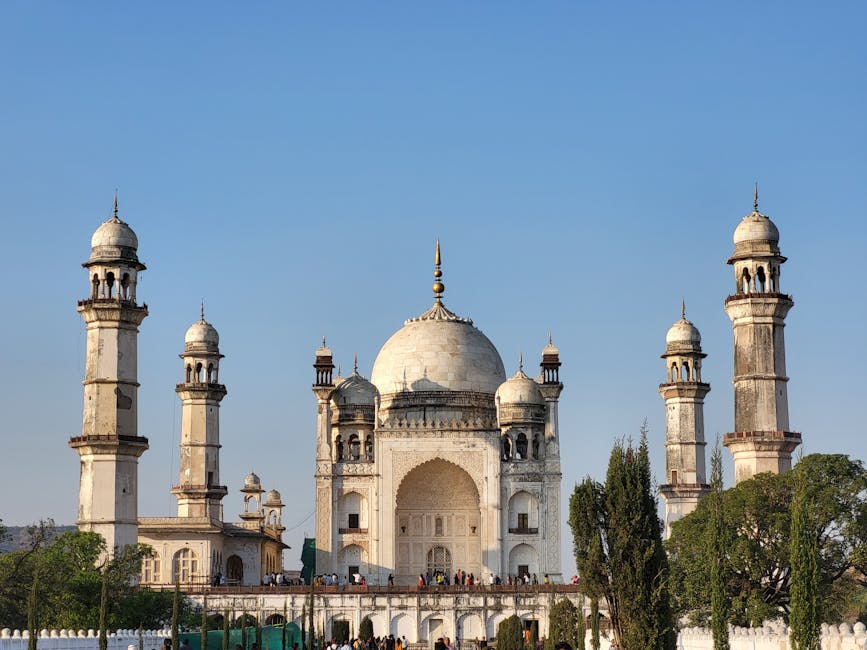
Aurangabad (officially renamed Chhatrapati Sambhajinagar in 2023) is 335 km northeast of Mumbai via the Samruddhi Mahamarg expressway — a 6 to 7 hour drive that has become significantly faster since the expressway opened to Aurangabad in May 2024. The Samruddhi (Mumbai-Nagpur Super Expressway) is access-controlled six-lane infrastructure with 1,200+ km of total length; the Aurangabad spur exit is at Jambhul / Karmad. Older NH 160 via Nashik is 410 km and takes 9-10 hours, and is now used only when the expressway is closed. Aurangabad is the gateway to two UNESCO World Heritage cave complexes: Ellora (30 km northwest, 34 caves dated 600-1000 CE with the famous monolithic Kailasa rock-cut temple), and Ajanta (105 km north, 30 painted Buddhist caves dated 200 BCE to 480 CE). Within the city itself, Bibi ka Maqbara ('Taj of the Deccan', 1668 mausoleum of Aurangzeb's wife Dilras Banu, a smaller-scale tribute to the Taj Mahal), Daulatabad Fort (a 12th-century hill fortress with India's only fortified spiral causeway), Aurangabad caves (12 Buddhist viharas), and Panchakki (a 17th-century water-mill grinding system) round out the heritage itinerary. The city is also Maharashtra's industrial cluster for auto components (Bajaj, Skoda, Audi assembly), and Paithan, 53 km south on the Godavari, produces the famous gold-zari Paithani saree. Best season is October to March; April-June crosses 40°C; July-September the caves are accessible but the Ajanta hill access road can flood briefly.
NH 60 via Nashik MaharashtraHistory & Significance
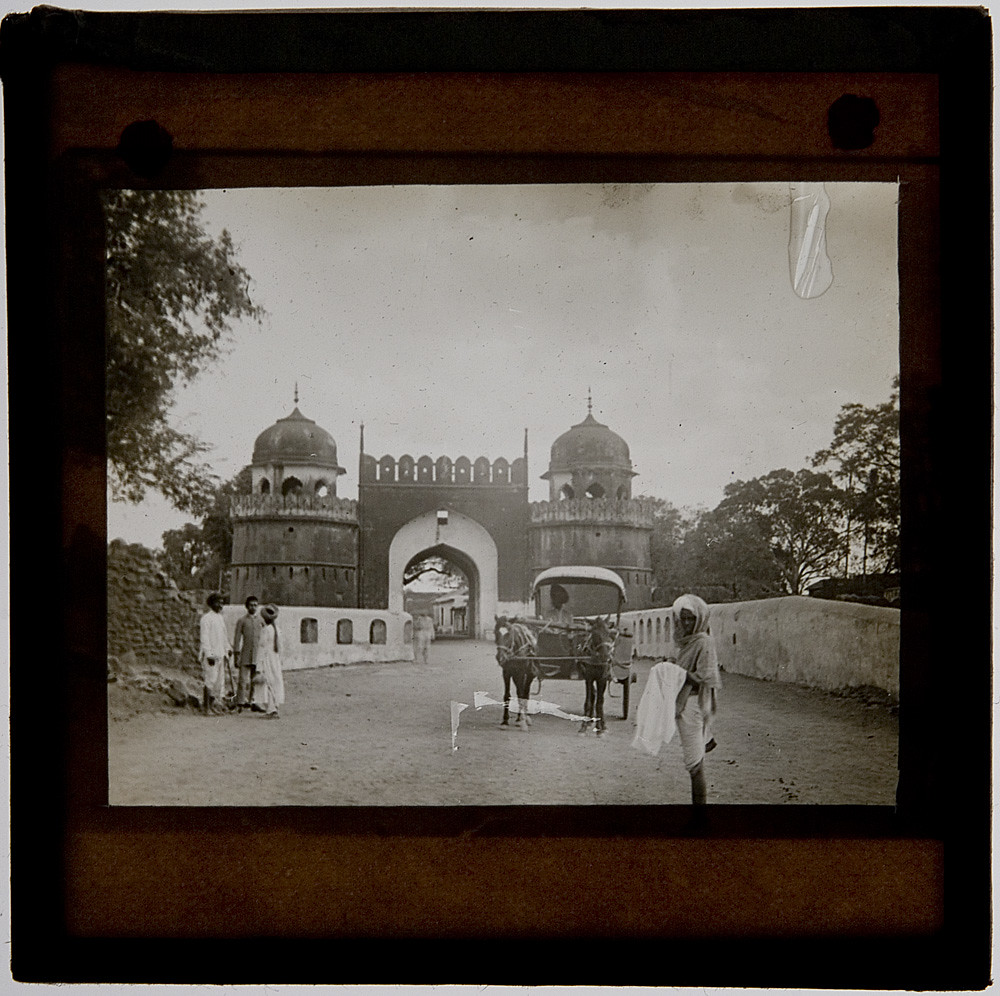
Founded by Malik Ambar in 1610 as Khadki, the city was renamed Aurangabad by Mughal emperor Aurangzeb, who made it his capital. It served as the Mughal capital of the Deccan for much of the late 17th century. The region has been an important cultural and historical centre for centuries, attracting scholars, pilgrims, and travellers from across the subcontinent. Over the years, various dynasties and rulers have left their mark on Aurangabad, contributing to its rich architectural and cultural heritage that visitors can still appreciate today.
Cab Fare & Travel Time
Cab Fare — Mumbai to Aurangabad
| Car Type | Seats | One-Way (15% off) | Round Trip |
|---|---|---|---|
| CNG Swift Dzire | 4 traveller + 1 driver | ₹8,000 Flat 15% OFF | ₹9,400 |
| CNG Ertiga | 4 traveller + 1 driver | ₹9,700 Flat 15% OFF | ₹11,400 |
| Innova | 6 traveller + 1 driver | ₹9,700 Flat 15% OFF | ₹11,400 |
| Innova Crysta | 6 traveller + 1 driver | ₹11,400 Flat 15% OFF | ₹13,400 |
| Innova Hycross | 6 traveller + 1 driver | ₹18,250 Flat 15% OFF | ₹21,450 |
Estimated for 335 km. Toll, parking & driver allowance extra. Call for exact quote.
Additional Charges (Indicative)
⚠️ Toll & permit figures are indicative. Actual charges depend on route, vehicle type, and government rates at time of travel. Paid directly at toll plazas / checkposts.
Route Highlights
- 335 km via Samruddhi Mahamarg expressway — 6-7 hours since May 2024 (was 9-10 hrs)
- Two UNESCO World Heritage cave complexes — Ellora (30 km) and Ajanta (105 km)
- Bibi ka Maqbara — the 'Mini Taj' of the Deccan, 1668 mausoleum within city
- Daulatabad Fort — only Indian fortress with a fortified spiral causeway
- Paithan (53 km south) is the source of the gold-zari Paithani saree
- Plan minimum 2 days to cover both Ellora and Ajanta + city sights
Places to Visit in Aurangabad
Ellora Caves
A UNESCO complex of 34 rock-cut caves (12 Buddhist, 17 Hindu, 5 Jain) carved 600-1000 CE into the basalt Chamadari Hill, 30 km NW of Aurangabad. Cave 16 — the monolithic Kailasa Temple — was excavated top-down from a single rock cliff, removing 200,000 tonnes of basalt. Closed Tuesdays.
Ajanta Caves
A UNESCO set of 30 Buddhist caves carved 200 BCE to 480 CE into a horseshoe cliff above the Waghora river, 105 km north of Aurangabad. Famous for the surviving Gupta-era frescoes in caves 1, 2, 16 and 17 — the oldest surviving Indian painting tradition. Closed Mondays.
Bibi ka Maqbara
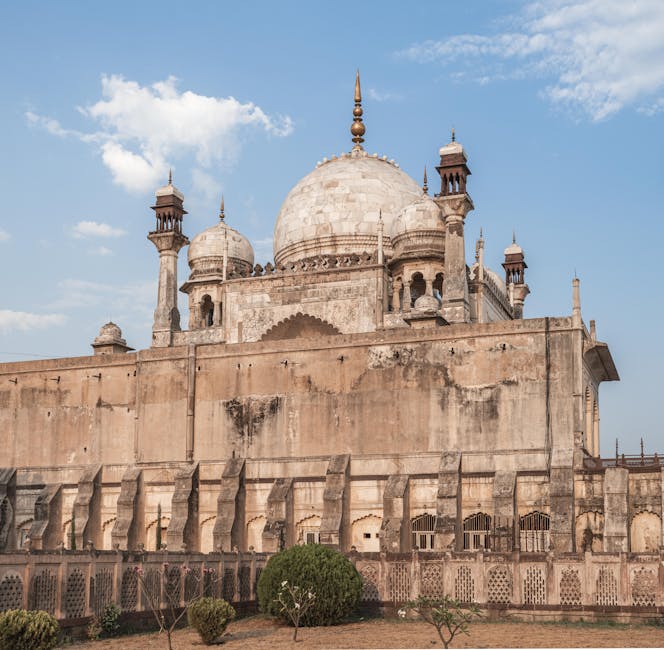
A 1668 mausoleum built by Prince Azam Shah for his mother Dilras Banu (Aurangzeb's wife). Architecturally a smaller, marble-and-stucco scale model of the Taj Mahal — the same Marble-and-octagonal-plan design, by a son of Ustad Ahmed Lahori (the Taj's architect).
Daulatabad Fort
A 12th-century Yadava-era hill fort 16 km from Aurangabad, briefly the capital of Muhammad bin Tughlaq's empire (1327). The 14th-century fortifications include a spiral underground passage with bat-infested ventilation that defenders flooded with smoke when attacked. The Chand Minar (1435 victory tower) is in the lower fort.
Paithan and Sant Eknath Samadhi
A 2,300-year-old town 53 km south of Aurangabad on the Godavari, the source of the Paithani silk-and-gold-zari saree. The Sant Eknath Maharaj samadhi temple and the Jayakwadi Dam (Asia's largest earthen dam by volume) are the main attractions.
Frequently Asked Questions
Book This Route
24/7 availability
5.0★ rated • Trusted since 2011
Ready to Travel Mumbai → Aurangabad?
Book now • No hidden charges • 24/7 support • Trusted since 2011


Popular Mumbai Pickup Locations
Miles Tours and Travels picks you up from anywhere in Mumbai — railway stations, airports, hotels, offices, and tourist spots.